
E.Coli Stories
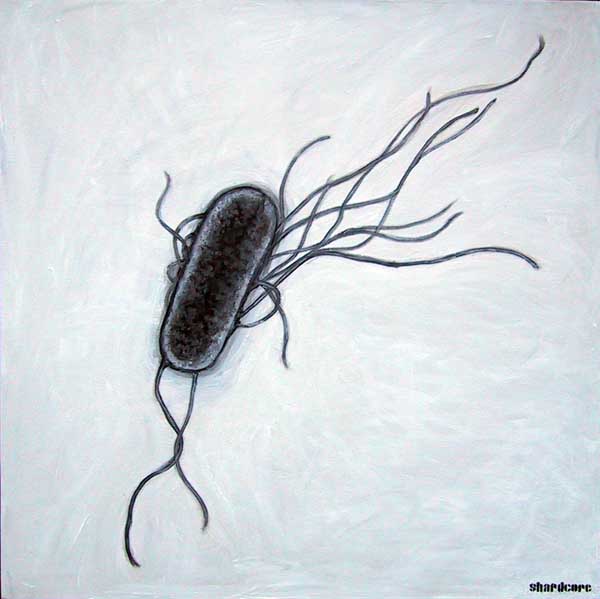 Not long ago, science writer Carl Zimmer spoke at the Zócalo series. He was talking about the subject of his new book, E. Coli, and wove a lovely story of how the E. Coli have taught us so much about life over the years, and how they continue to do so. So much of what we know about the workings of DNA, for example, came down to studies of a very clear model system, and E.Coli was the system chosen by Biologists (and Physicists interested in fundamental issues surrounding the nature of life, DNA, etc.) (Updated attribution: Image left is a painting from here. Worth looking at that site for more such images.)
The talk, for a general audience, is highly informative. It is only about an hour long, and worth your time. It was broadcast last night, and I found it rather good indeed. I […] Click to continue reading this post
 I just learned from the
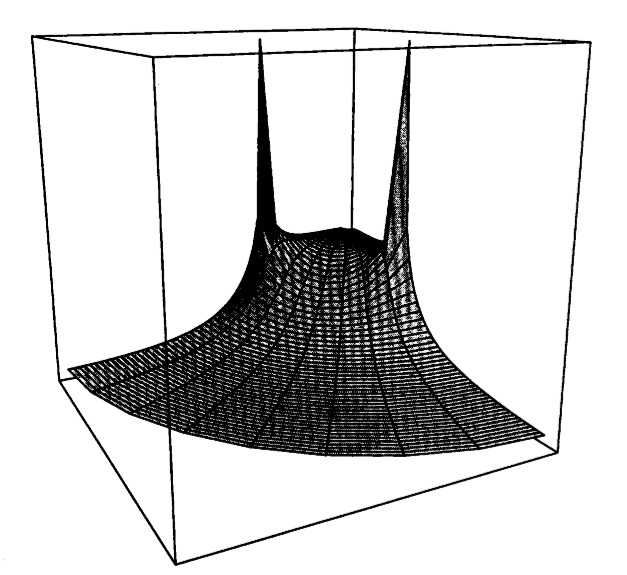
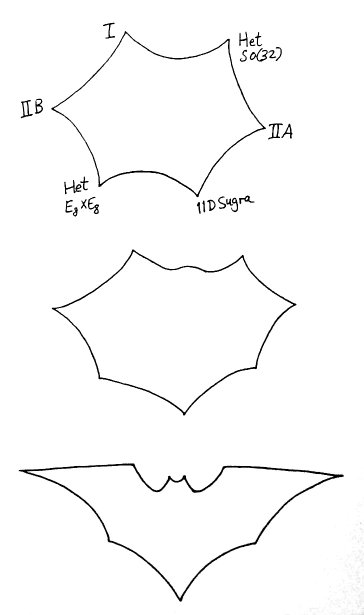
 There are times when you think that if you do just a bit more on the project, it’ll get over the hump, as it were, and then coast along. So far I worry that there may be simply an infinite set of equally spaced humps of similar height all the way down the road**, in that every now and again I discover a rather pretty little gem of a result that’s quite encouraging, but these gems don’t seem to have anything to do with each other. So it’s a little scattered gravel pit of gems as opposed to a lovely… Ok, cvj, enough with the gem metaphor.
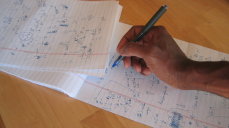 working on. I gave an answer, but since I know that a lot of readers don’t read the comments, and because one of the missions of this blog is to give a window on what scientists such as myself do and (importantly) how we do it, I thought I’d elevate the comment and my response into a post. Feel free to add your own thoughts to it in the comments, either as a non-scientist, a scientist, a specialist from another field, or other.