Conversation Piece
I wrote a piece for The Conversation recently that is making the rounds, drawing on lots of research sources (including reading some comics from the 1960s!). You might like it. Here it is:
The hidden superpower of ‘Black Panther’: Scientist role models
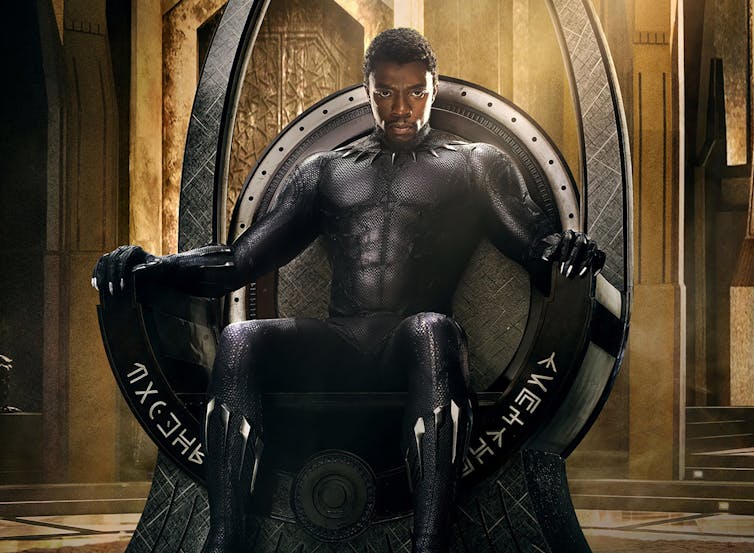
Marvel Studios
Clifford Johnson, University of Southern California – Dornsife College of Letters, Arts and Sciences
I’m not the first to say that the upcoming Marvel movie “Black Panther” will be an important landmark. Finally a feature film starring a black superhero character will be part of the Marvel Cinematic Universe – a successful run of intertwined movies that began with “Iron Man” in 2008. While there have been other superhero movies with a black lead character – “Hancock” (2008), “Blade” (1998), “Spawn” (1997) or even “The Meteor Man” (1993) – this film is significant because of the recent remarkable rise of the superhero film from the nerdish fringe to part of mainstream culture.
Huge audiences will see a black lead character – not a sidekick or part of a team – in a superhero movie by a major studio, with a black director (Ryan Coogler), black writers and a majority black cast. This is a significant step toward diversifying our culture by improving the lackluster representation of minorities in our major media. It’s also a filmmaking landmark because black creators have been given access to the resources and platforms needed to bring different storytelling perspectives into our mainstream culture.
Last year’s “Wonder Woman” forged a similar path. In that case, a major studio finally decided to commit resources to a superhero film headlined by a female character and directed by a woman, Patty Jenkins. Female directors are a minority in the movie industry. Jenkins brought a new perspective to this kind of action movie, and there was a huge positive response from audiences in theaters worldwide.
Above and beyond all this, “Black Panther” also has the potential to break additional ground in a way most people may not realize: In the comics, […] Click to continue reading this post
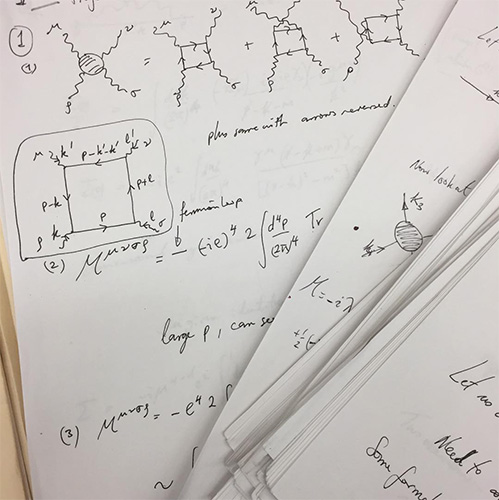 Back where? In front of a classroom teaching quantum field theory, that is. It is a wonderful, fascinating, and super-important subject, and it has been a while since I’ve taught it. I actually managed to dig out some pretty good notes for the last time I taught it. (Thank you, my inner pack rat for keeping those notes and putting them where I could find them!) They’ll be a helpful foundation. (Aren’t they beautiful by the way? Those squiggly diagrams are called Feynman diagrams.)
 It seems appropriate somehow that there’s an
  Happy New Year!
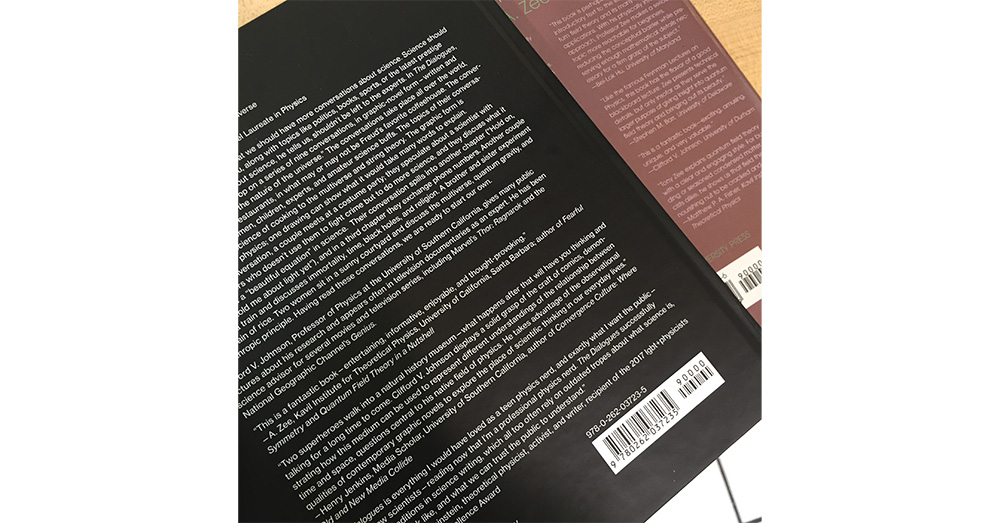
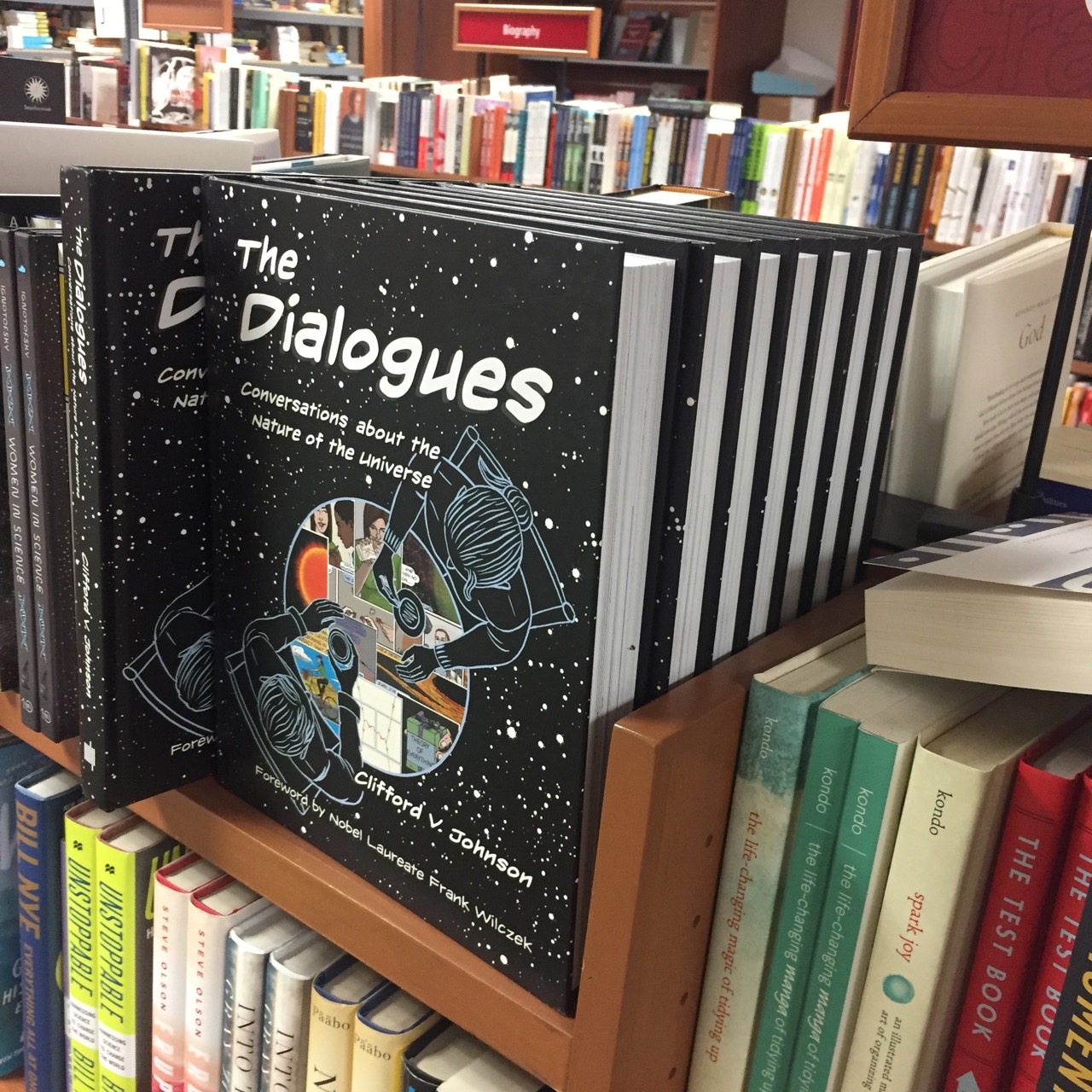
 This is one of the best interviews I’ve done about #thedialoguesbook so far. Eric Newman is an excellent interviewer, and for the first half of the Los Angeles Review of Books (LARB) radio hour we covered science and its intersection with art, culture, philosophy, religion, politics, and more!